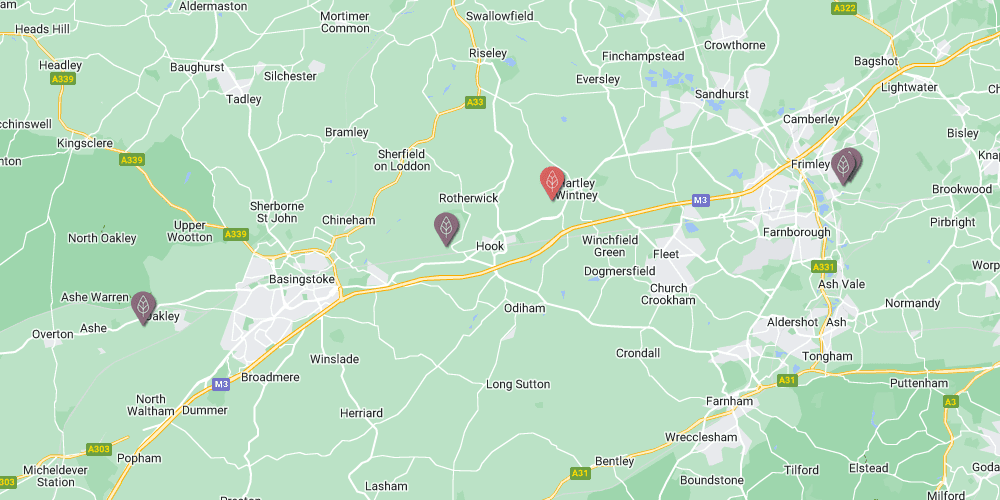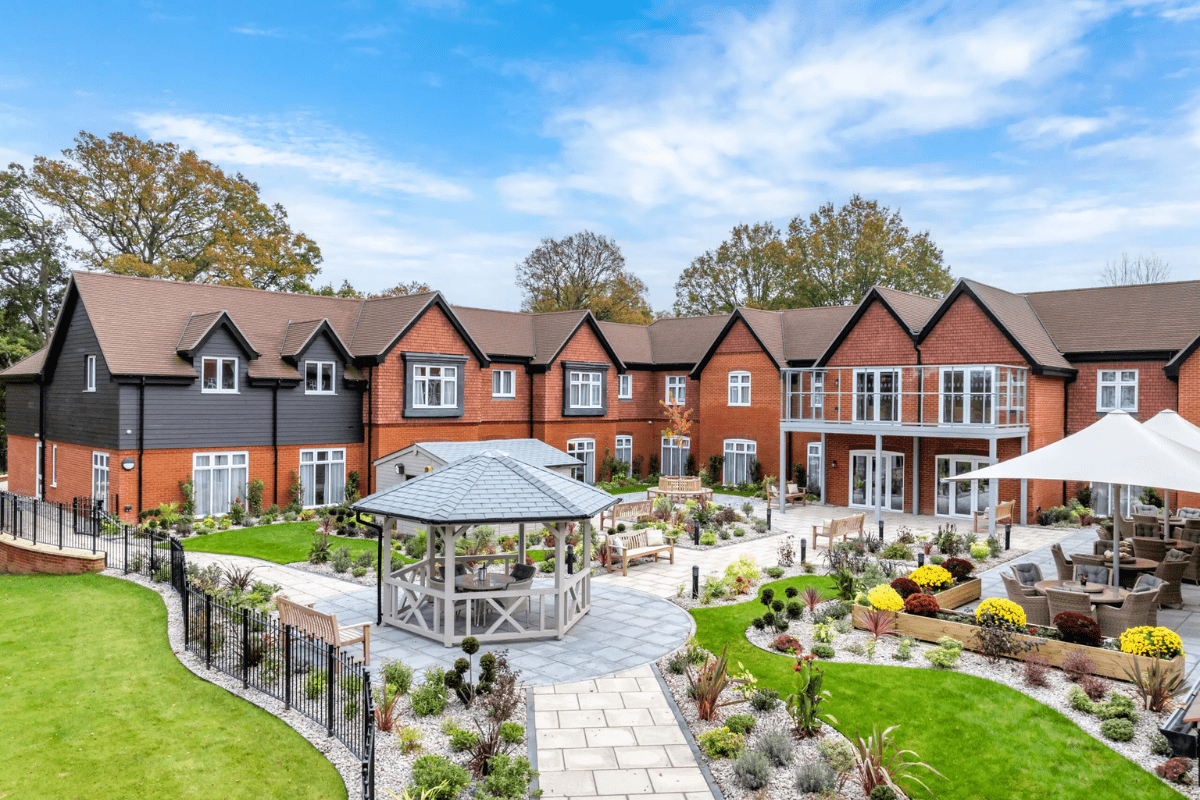
 Located in Hartley Wintney, Hampshire
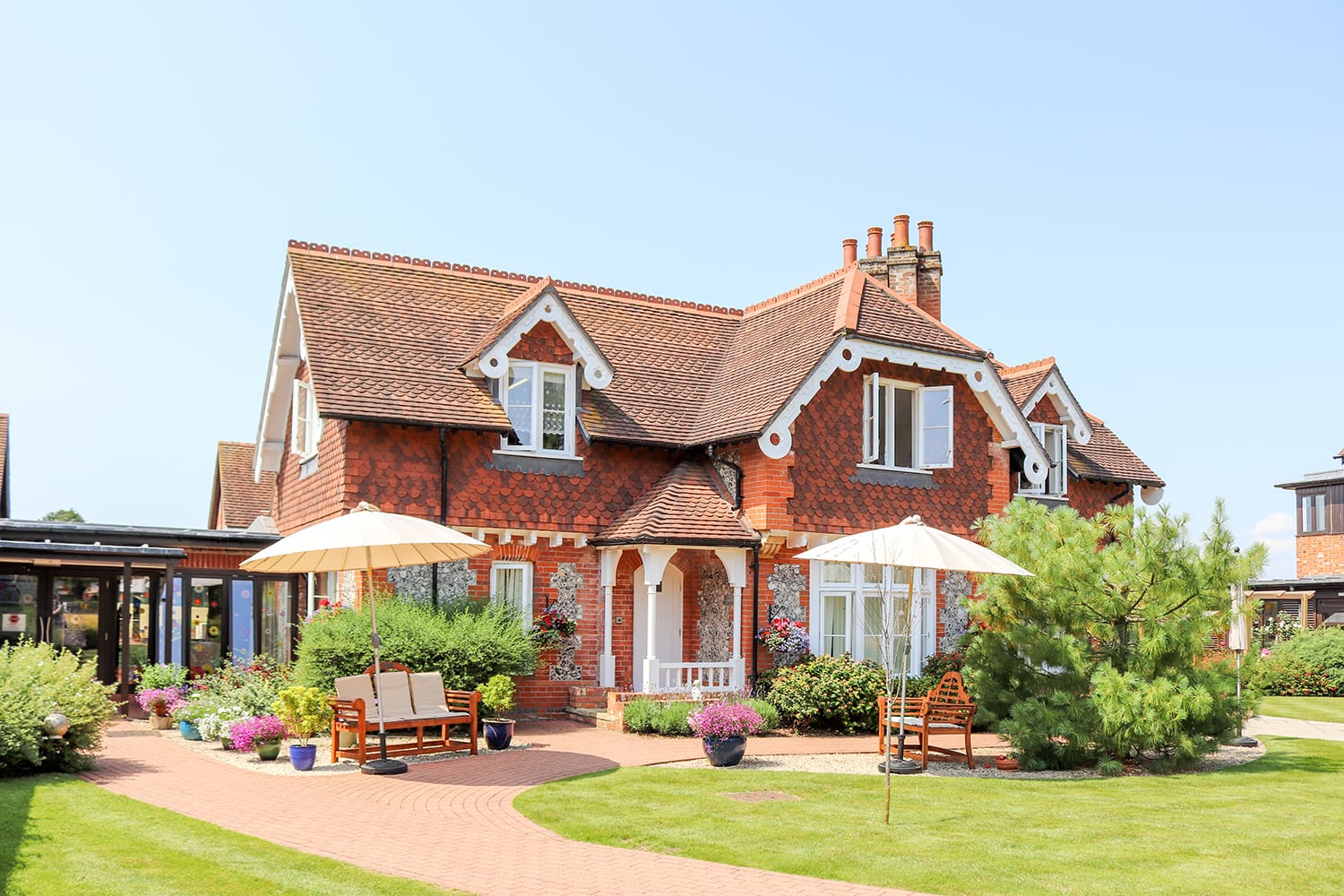
Located in Basingstoke, Hampshire
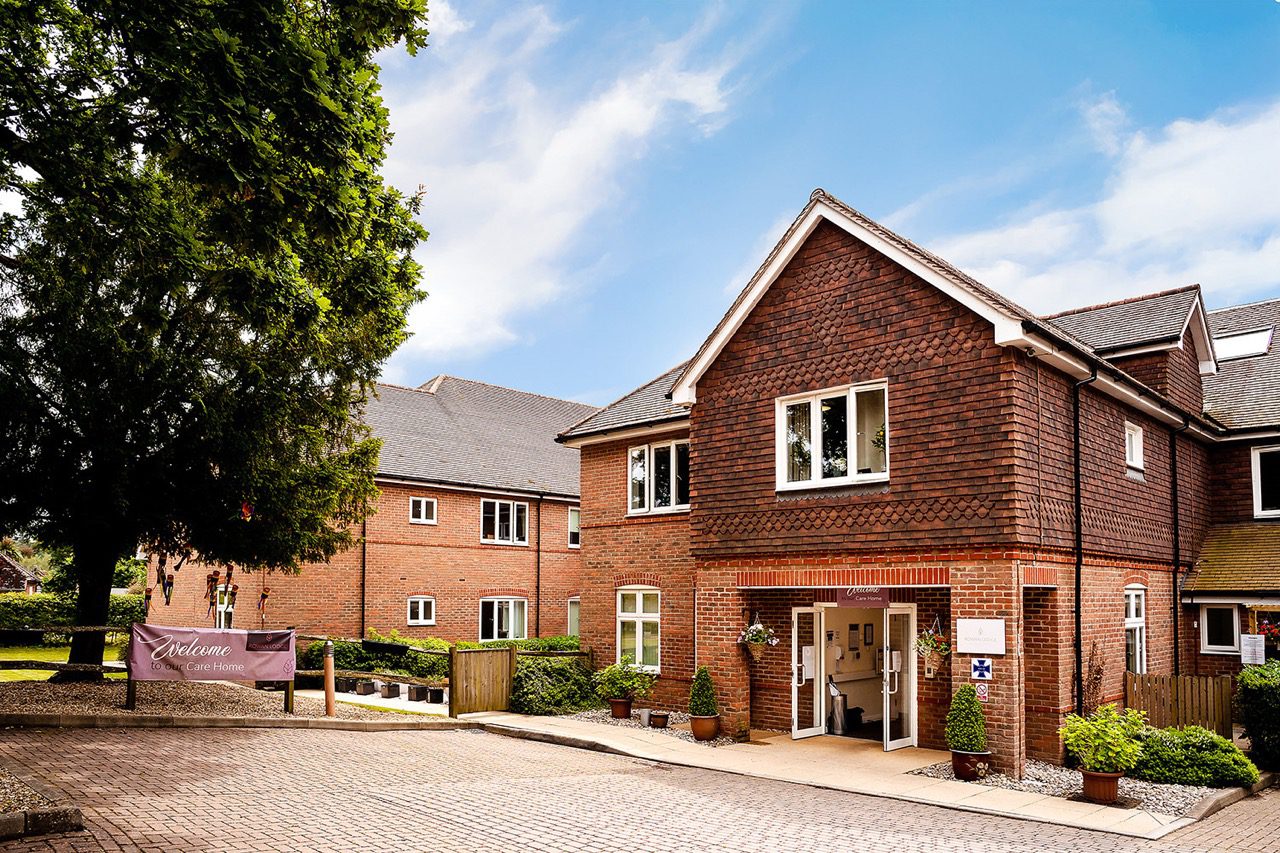
Located in Hook, Hampshire
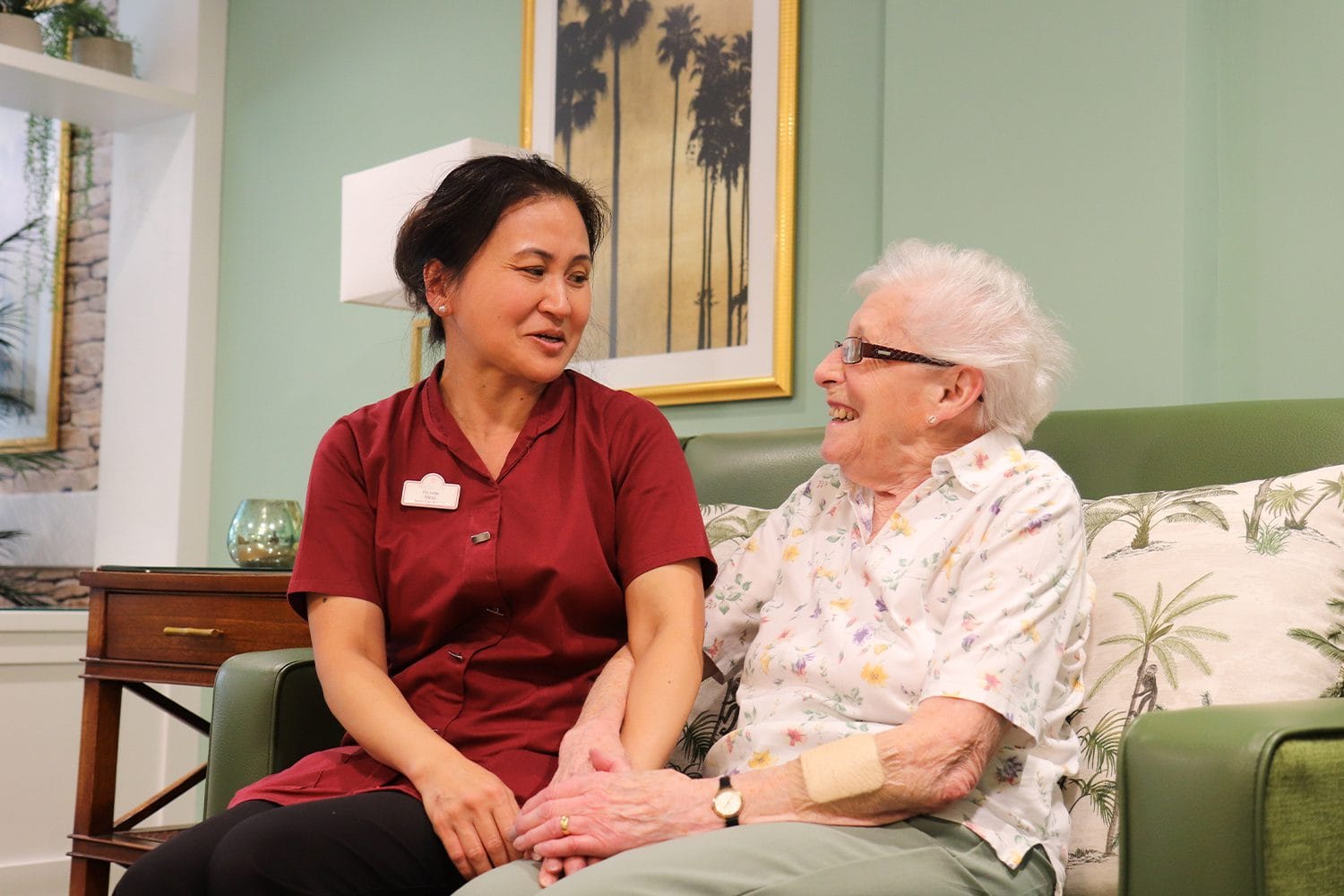
Elm Lodge is a luxury, purpose-built care home in Hartley Wintney, Hampshire, offering 24-hour residential care and respite care within three acres of beautifully landscaped grounds. Combining exceptional care with warm hospitality, Elm Lodge is featured in Knight Frank’s Luxury Care Home Guide 2026 and Lottie’s Top 100 Care Homes 2026, recognising it as one of Hampshire’s leading care homes.
Our facilities and services include:
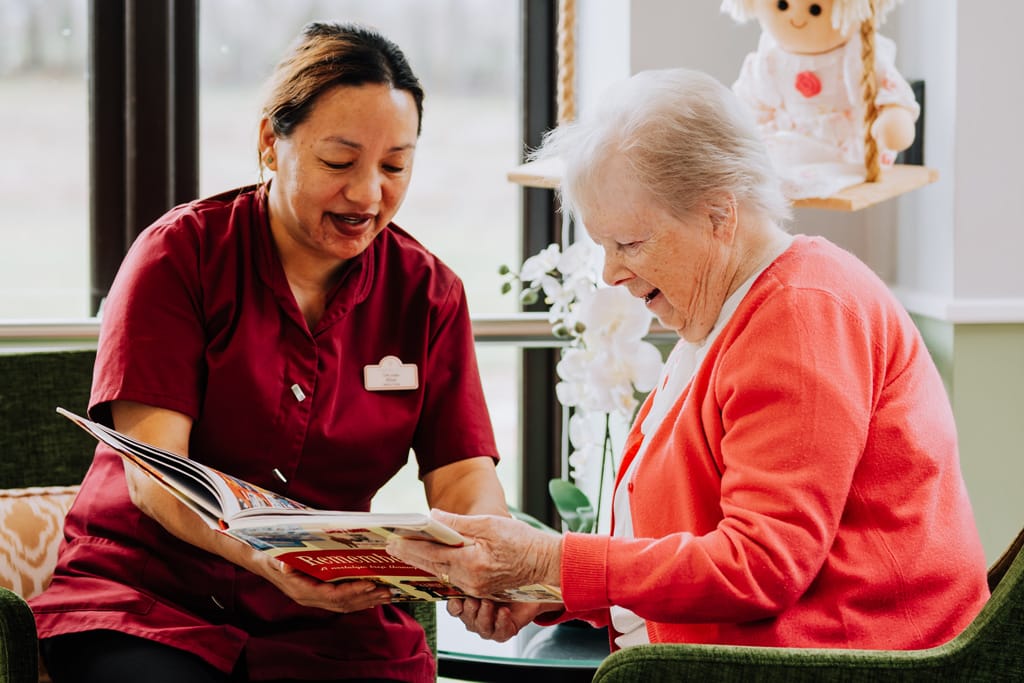
Oak Lodge is an ‘Outstanding’-rated luxury care home in Hampshire, offering expert nursing care and residential care in a purpose-built setting within a beautiful 300-acre countryside estate. Recognised as ‘Residential Home of the Year’ at the Hampshire Care Awards 2025, Oak Lodge is also featured in Lottie’s Top 100 Care Homes 2026, with Top 10 awards for Wellbeing and Outdoor Space.
Our facilities and services include:
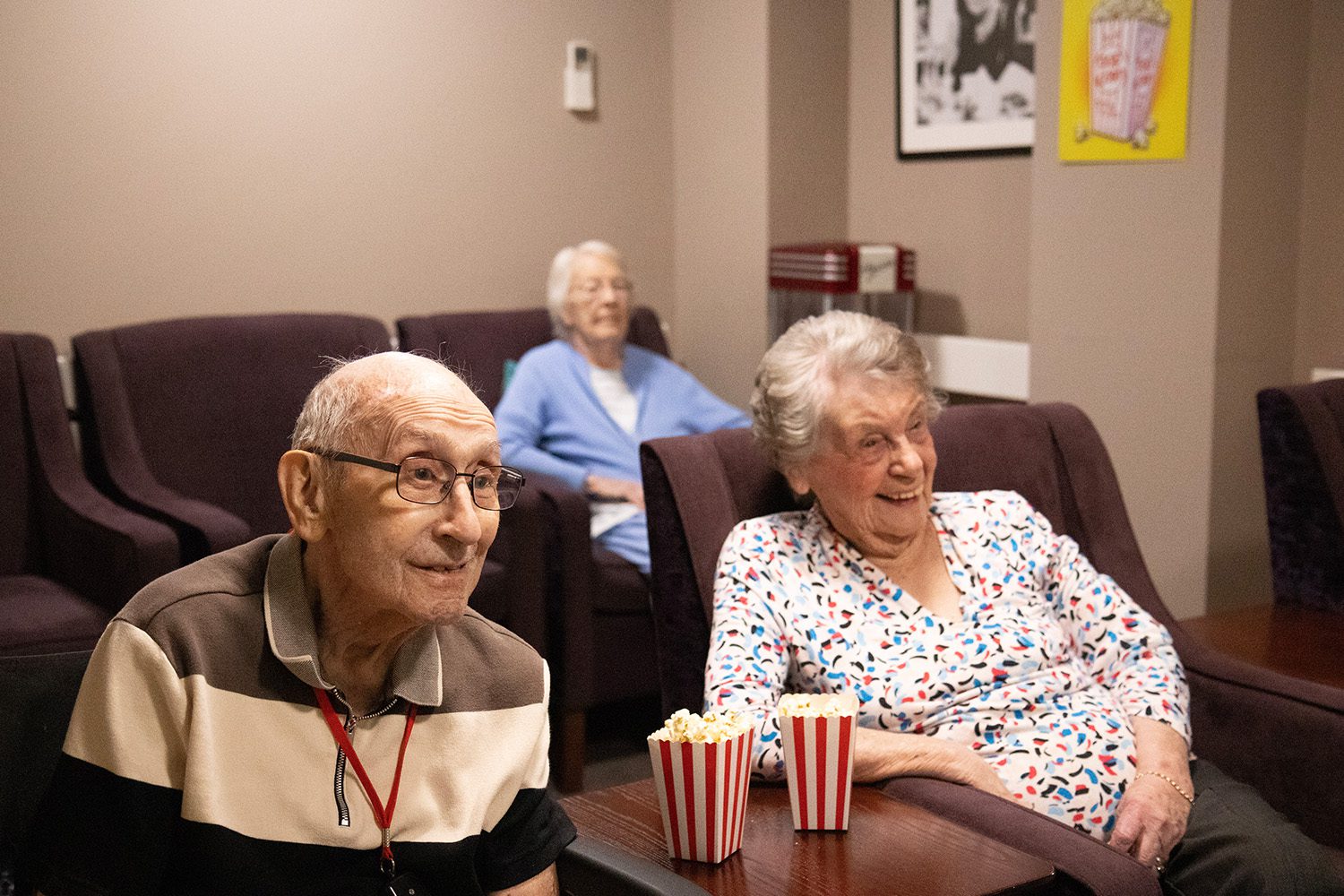
Rowan Lodge is an award-winning Hampshire care home in Hook, offering 24-hour residential care and nursing care in a peaceful countryside setting. Combining exceptional care, warm hospitality and a vibrant community, Rowan Lodge provides a true home-from-home environment and is recognised among Lottie’s Top 100 Care Homes 2026.
Our facilities and services include:
Listen to what Mike has to say about the care at Elm Lodge care home; “The place is well-maintained, it’s very comfortable…needless to say the staff are lovely, pleasant, available and responsive, all of the things you want…”
Listen to what Beryl has to say about her experience and the care at Oak Lodge: “I’m so grateful to my family for having chosen this place, it’s really lovely. The staff are friends, they do absolutely everything they possibly can to make me feel happy and contented. I cannot praise it highly enough.”
Some of the kind words that Ann has to say about the care and team at Rowan Lodge; “They’re all very kind to us, and care for us in every way.”
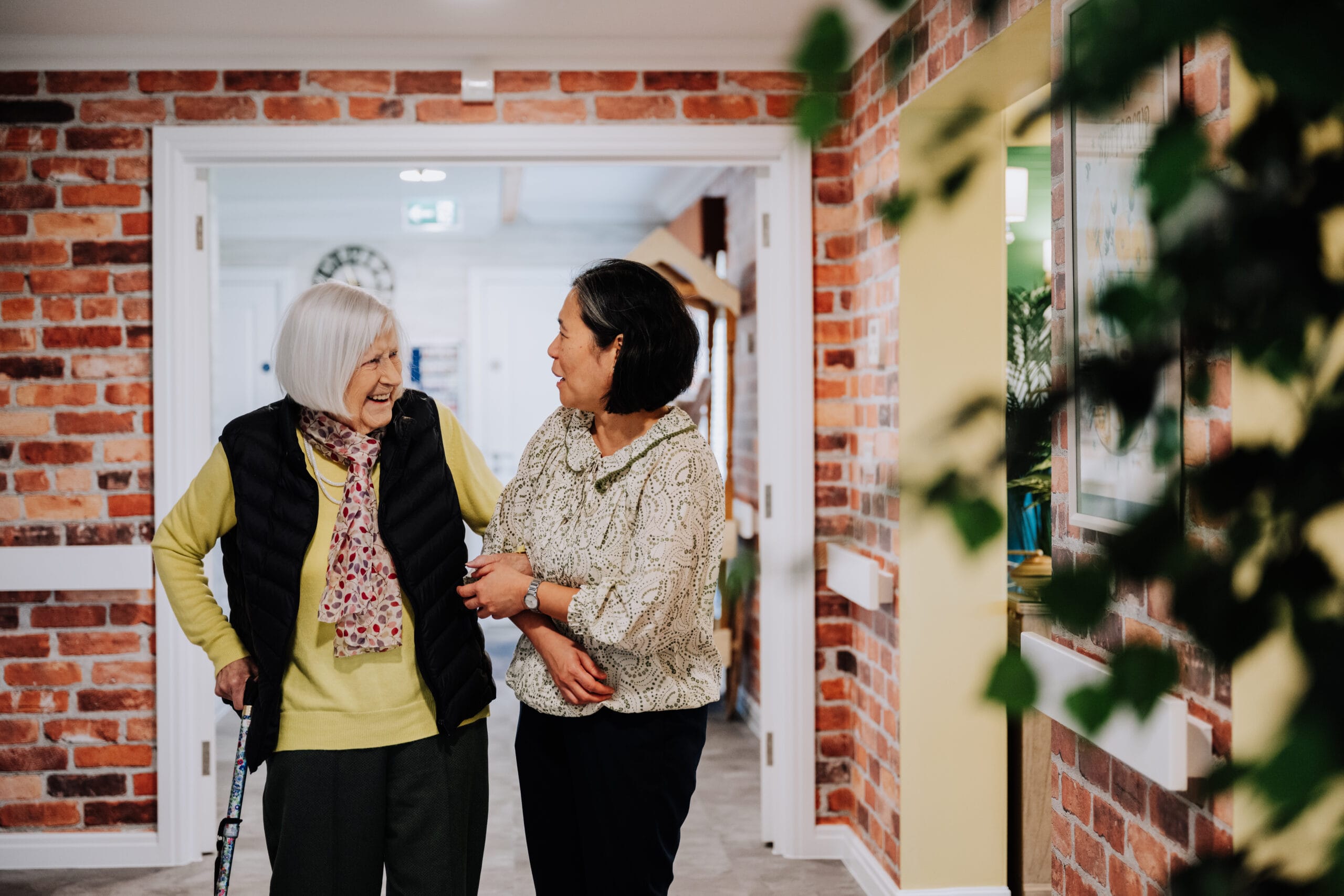
Forest Care has been delivering quality care since 1981, combining decades of experience with a family‑owned, person‑centred approach. We understand that choosing a care home can be a difficult and emotional process, so we work closely with families to create a supportive, engaging environment shaped around each resident’s life story and preferences.
Residents enjoy fresh, home‑cooked meals prepared daily by our talented chefs using locally sourced ingredients wherever possible, with a strong focus on nutrition and hydration in line with individual care needs. Our all‑inclusive fees cover complementary therapies and outings, and our open visiting policy welcomes family and friends at any time.
With staffing ratios above industry standards, we are able to provide calm, unhurried care, including compassionate palliative and end‑of‑life support. Our Home Managers are always available to discuss individual needs and ensure each resident receives the highest level of personal care and attention.



Making the decision to move into a care home is never easy and depends on individual circumstances like lifestyle, environment, and care needs.
If life becomes lonely or difficult to manage safely, residential care offers 24/7 support alongside a warm, welcoming community. With companionship, activities, and a safe environment, it provides a true home away from home where residents can feel supported and connected. Get in touch with our friendly team to discuss your care needs.
A needs assessment will determine whether a person requires permanent care or not and the extent to which they do. The elderly person themselves must either have given their consent to move into a Forest care home or another person (usually a family member) must have a valid Power of Attorney to make the decision on their behalf.
We’re here to support you, arrange a personal viewing with our friendly team.
Take time to visit a few care homes and look for one that provides person-centred care. Your decision will depend on individual needs and financial circumstances, and our friendly team is always here to answer your questions. You can explore our Help & Advice page for FAQs, take virtual tours, or book a visit to see our homes in person. All our homes are rated either ‘Outstanding’ or ‘Good’ by the Care Quality Commission (CQC), and our Hampshire homes are also recognised by the Hampshire Care Awards for their high standards of care.
There are several different types of Dementia, with Alzheimer’s disease being the most common. Each type presents with its own set of characteristics, which can make understanding the condition and its progression challenging. Dementia is often broadly grouped into three main stages: early, middle, and late, however, there is also a more detailed 7-stage model which breaks down cognitive decline into smaller, more specific phases within these three broader stages.
This model can help provide a clearer picture of how symptoms develop over time. It is important to remember that dementia progresses differently for every individual. No two people will experience the condition in exactly the same way, and both the pace and pattern of decline can vary significantly.
Recognising signs and symptoms can help to identify, in a general sense, where a person may be in their dementia journey. However, care should always remain person-centred, taking into account the individual’s unique experiences, preferences, and needs.
The 7 stages of Dementia are:
Nursing care is typically care that needs to be provided by qualified Registered Nurses such as wound care dressings, catheter care, sub-cutaneous medication administration and the like. Personal care is typically provided by carers and involves help with daily tasks such as washing, dressing, going to the toilet and so on.
Please call us on 0333 305 1785 email enquiries@forestcare.co.uk to discuss your care needs.